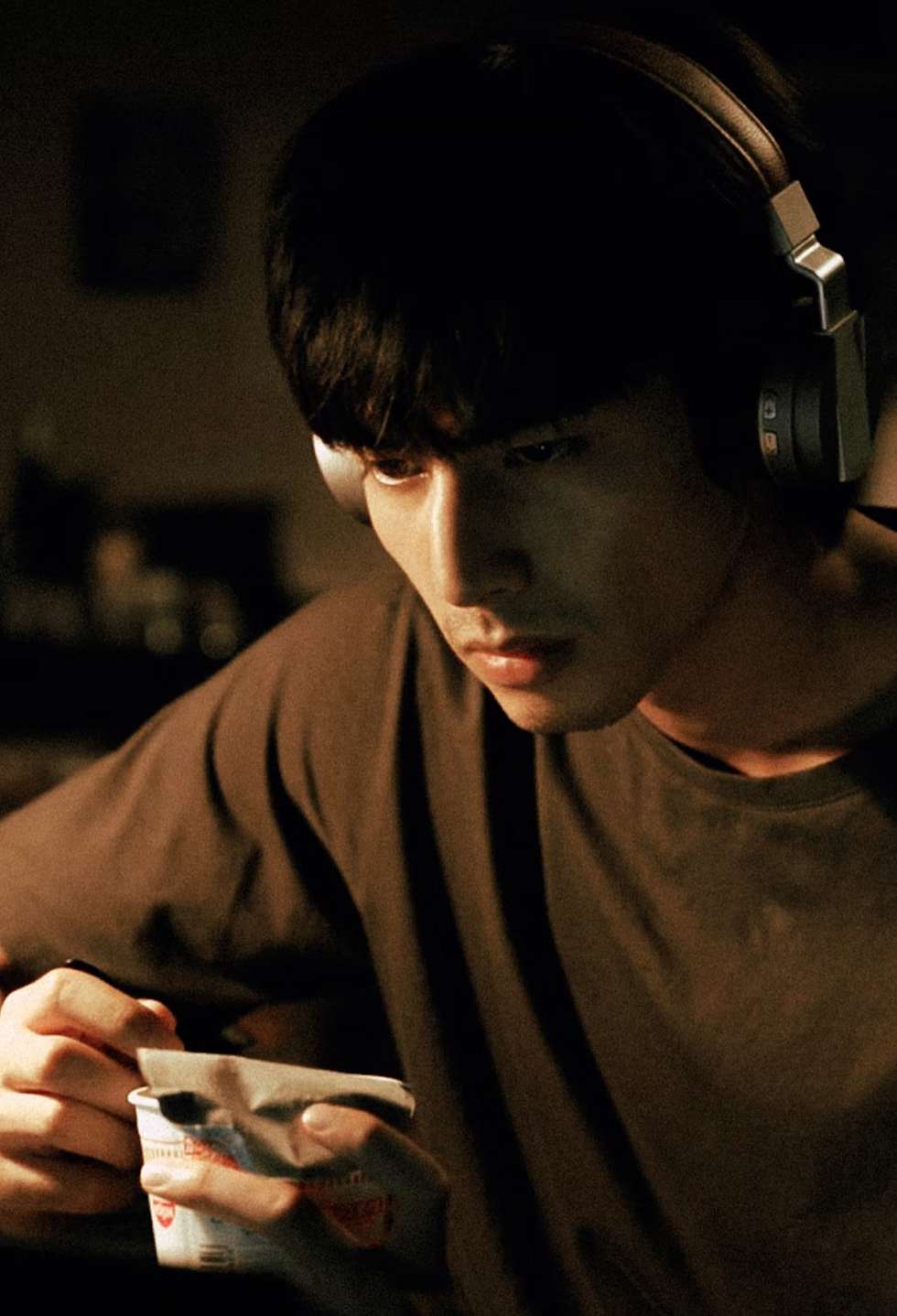
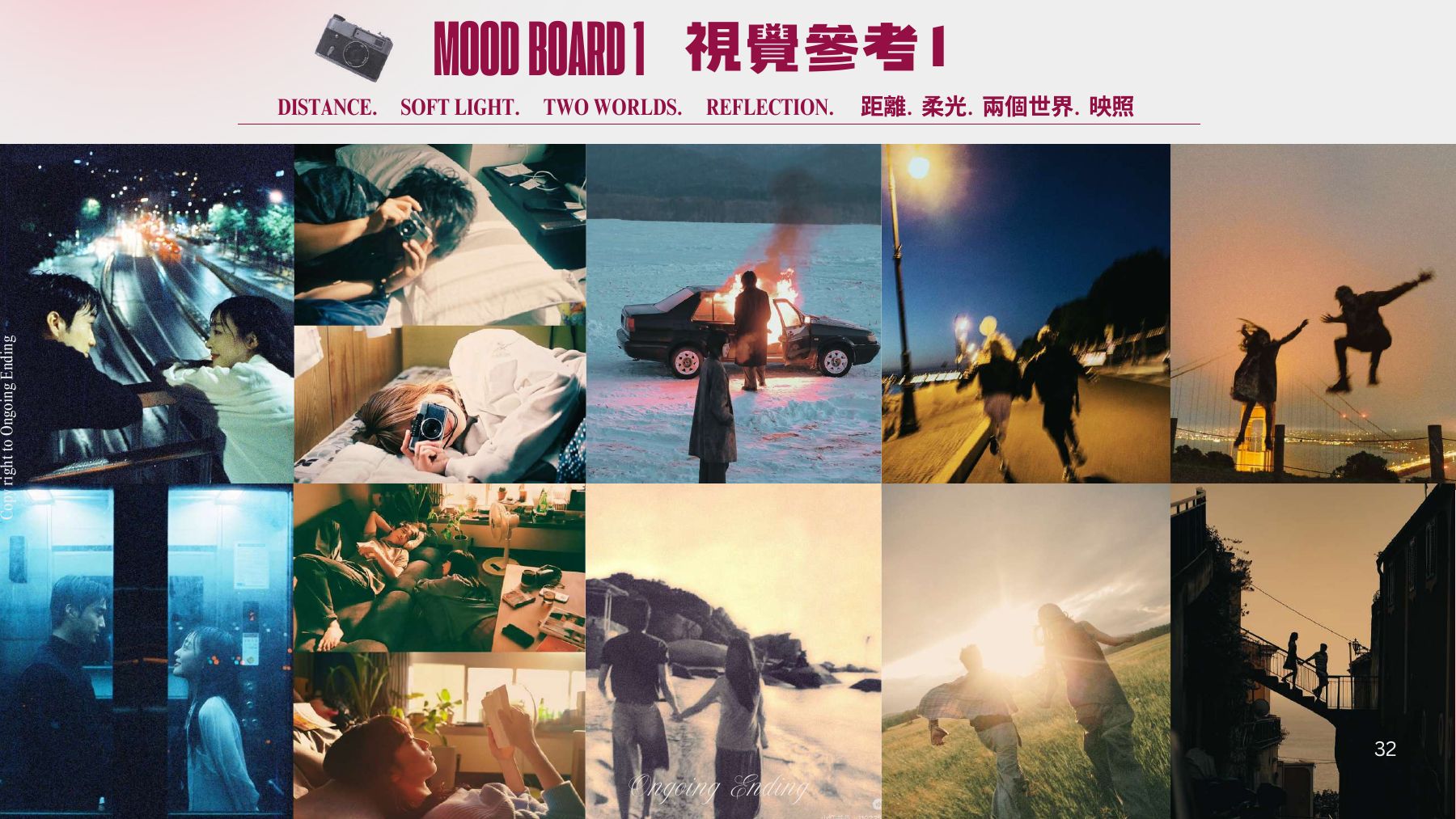
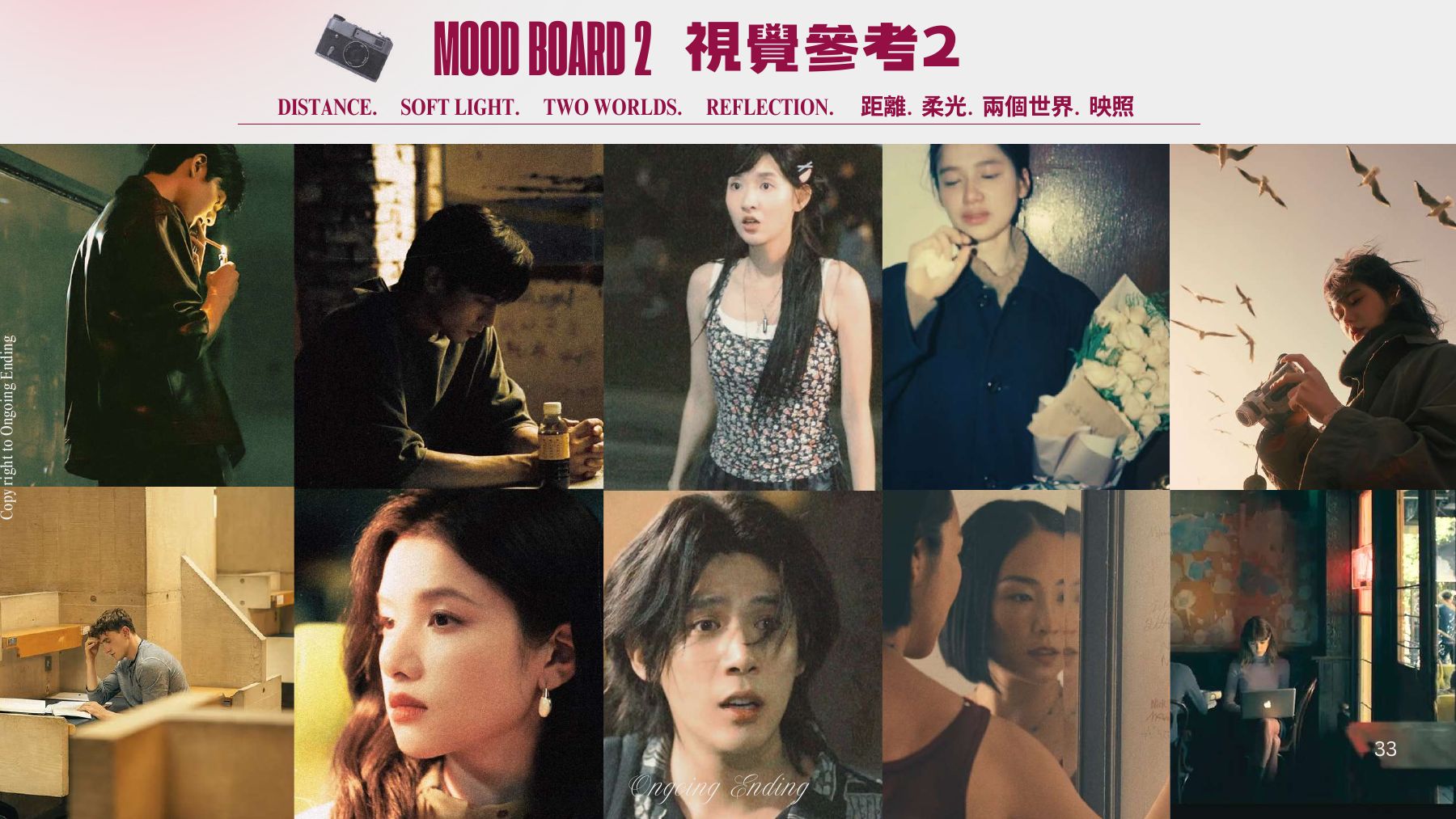
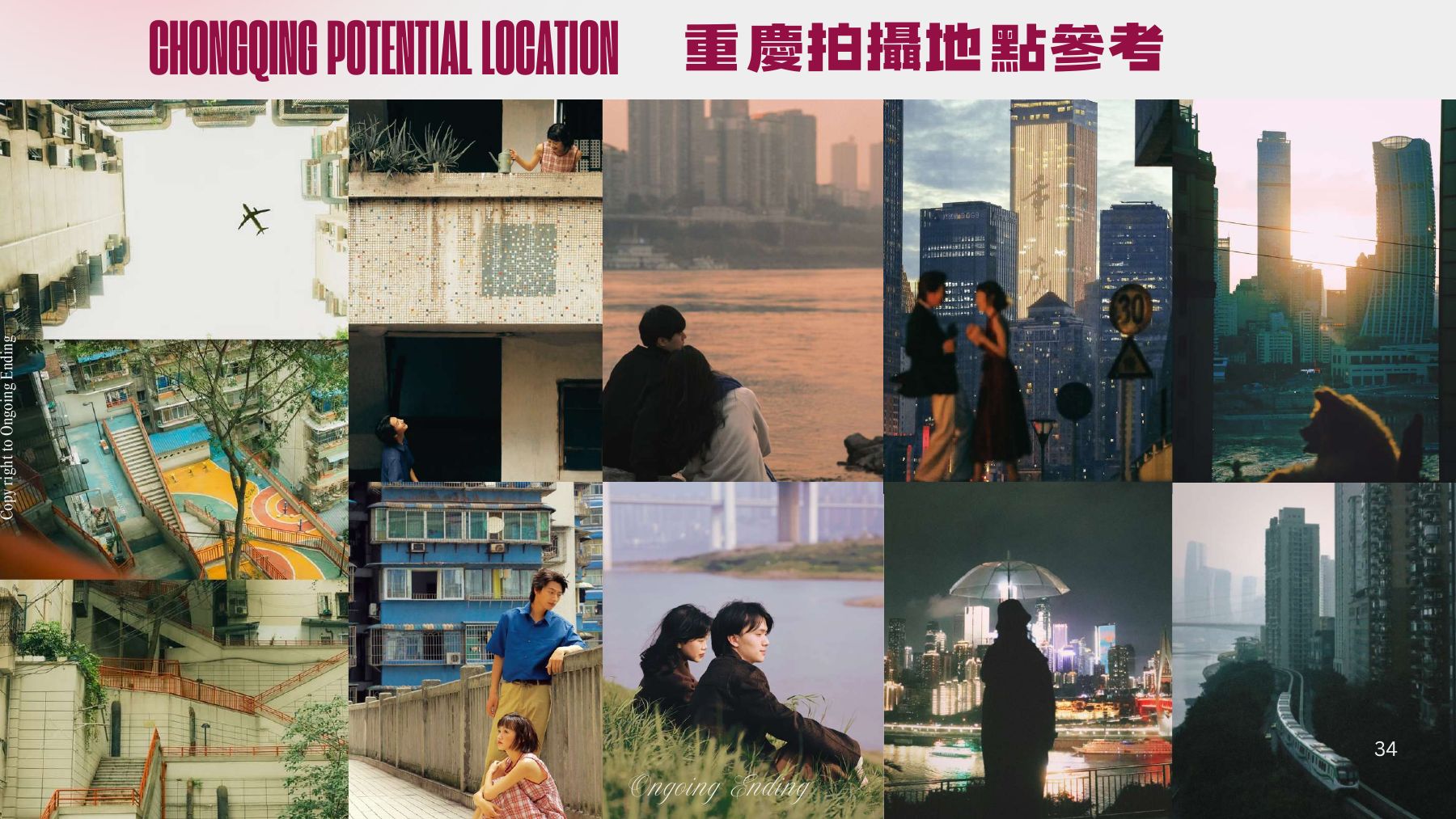
I grew up between two worlds.
One taught me to dream. One reminded me I had limits.
我在兩個世界之間長大。
一個教我做夢。一個提醒我有邊界。
This film was born in the dark space between those two worlds — between love and duty, freedom and belonging, East and West.
這部電影,從這兩個世界之間的縫隙裡長出來——愛與責任之間,自由與歸屬之間,東方與西方之間。
Rae is me. Liang is someone I loved. This is not a story I watched from across the table — it is mine. The love I write about, I lived. I carried it for years, across cities and time zones, before I knew how to put it on paper.
芮是我。亮是我曾經愛過的一個人。這不是我隔著飯桌看見的故事 ─ 這是我自己的。我寫的這段愛,是我親身走過的。我把它帶在身上,跨過好幾座城市,好幾個時區,才終於知道該怎麼把它寫下來。
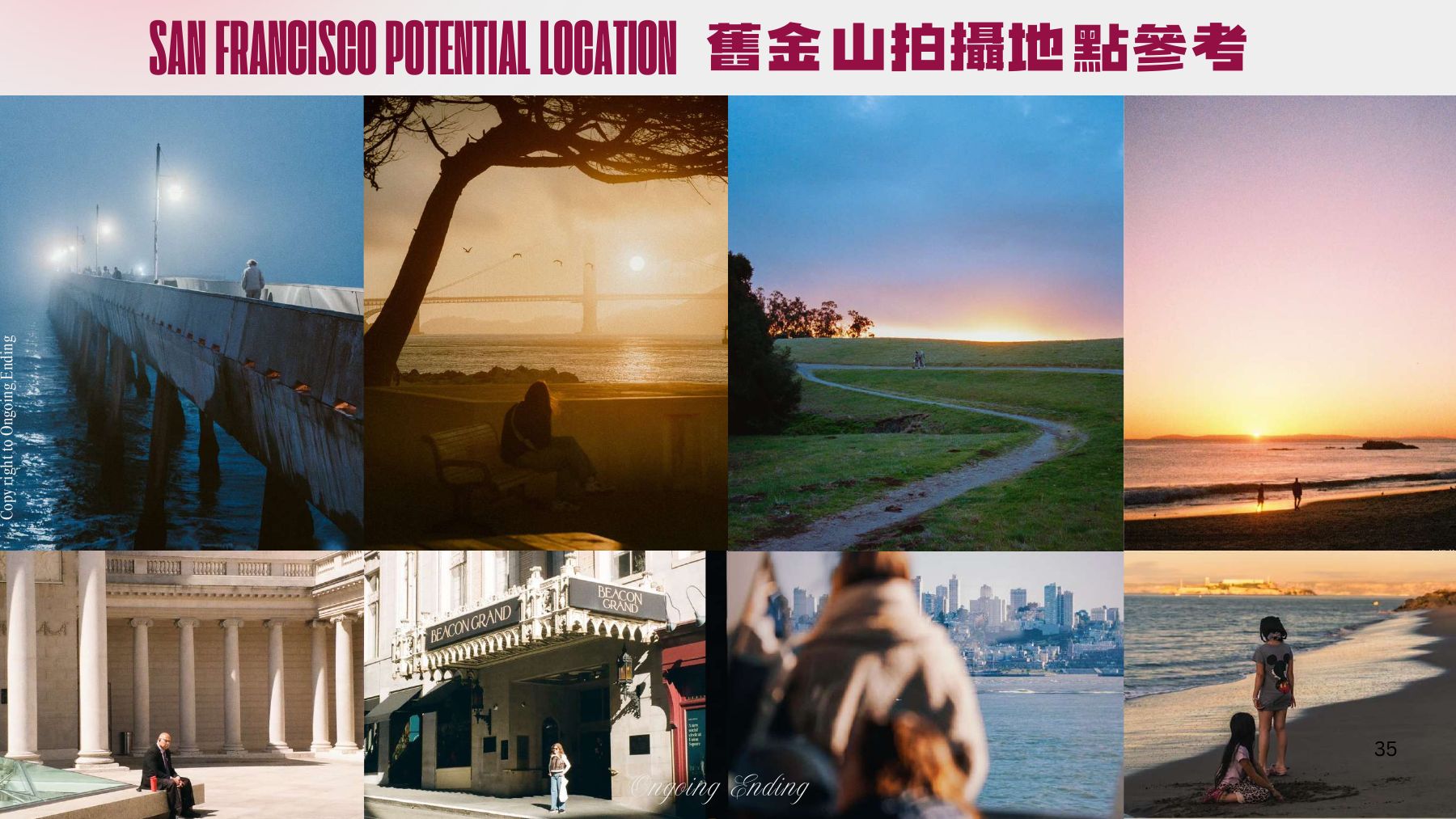
I started this script two winters ago, in my apartment kitchen in San Francisco, on the back of a take-out menu — I had run out of notebooks. The first line I wrote was: "Two bowls of noodles, one pair of chopsticks." It would be a long time before I knew what came before it, and what came after.
兩年前的一個冬夜,我在舊金山公寓的廚房,把劇本第一句寫在了外賣單背面——家裡的本子用完了。第一句是:「兩碗麵,一雙筷子。」過了很久,才知道這句話前面是什麼,後面是什麼。
Through Rae, this film asks: how do we stay true to what we love when reality keeps asking us to compromise? Young people today carry invisible weights — to succeed, to be independent, to meet expectations that stretch across cultures and generations. For women, especially, ambition and tenderness keep pulling in opposite directions.
透過芮,這部電影追問:當現實不斷要求我們妥協,我們還能不能,對自己所愛的,誠實?這個時代的年輕人,肩上有看不見的重量——要成功、要獨立、要同時滿足跨越文化與世代的期待。對女性,尤其如此:雄心與溫柔,總是往相反方向拉扯。
This is not a story about heartbreak. It is a story about acceptance. About learning to live with what cannot be changed. About finding strength inside fatigue. About the kind of healing that is not cinematic or heroic — only slow, private, and profoundly human. I wanted to make it now because we are all learning that "having choices" does not always mean "feeling free." Women's stories deserve to show that even without rescue, even without romance, life can still be whole.
這不是失戀的故事。這是關於「接受」的故事。接受那些不能改變的事。在疲憊裡找到力氣。這種療癒,不戲劇化、也不英雄——只是慢、只是私密、只是真切的人性。我想在此刻拍它,因為我們都在慢慢明白:「有選擇」,並不等於「感到自由」。女性的故事,值得被這樣呈現:即使沒有被拯救,即使沒有浪漫,人生,依然可以完整。
Making this film is my own reconciliation. With the parents who taught us to leave. With our generation — those of us who left, and are still looking for the road home. With the me who once believed love alone could change a fate. And with the me now, who knows it cannot, and chooses to love anyway.
拍這部電影,是我對自己的和解。對教我們離開的那一代父母。對我們這一代——已經離開、還在找回家路的人。對那個曾經相信光靠愛就能改命的我。也對現在這個——知道愛改不了命,仍然選擇去愛的——我。
Filmmaking, like love, can hold both truth and illusion at once. Even when love ends, life does not. We keep walking, softly, with the love that remains.
電影,像愛一樣,能同時容下真實與幻想。即使愛已經結束,生活還在繼續。我們繼續往前走,溫柔地,帶著那些留下來的愛。